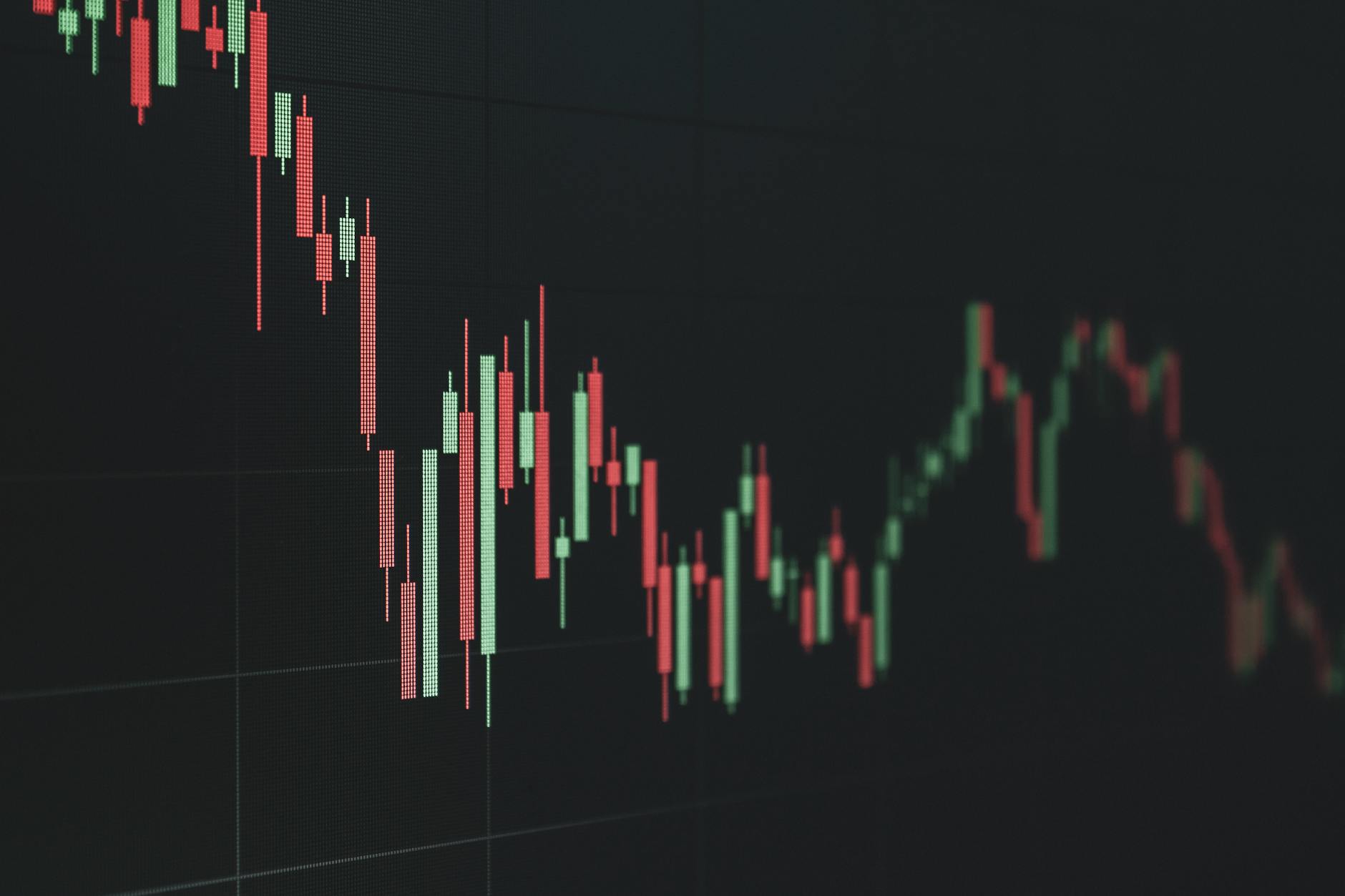
$38 million in leveraged positions liquidated in the last hour. Cascade events typically extend twenty to forty minutes beyond the initial wave. This is a mechanical unwind, not a macro catalyst — forced sellers hitting stop-loss clusters and triggering additional margin calls in a feedback loop.
The mechanism is simple: overleveraged longs get stopped out, pushing price down into the next liquidation tier, which triggers more stops. The cascade burns through position tiers until either demand absorbs the selling or there are no more liquidations left to hit. Funding at 1.0 basis points per eight hours shows long positioning remains above the thirty-day average of 0.6 basis points, indicating the cascade has cleared some leverage but not all of it. Funding normalisation back toward baseline is the signal the liquidation wave is done.
Short near-term if funding stays elevated above 0.8 basis points and price fails to reclaim the pre-cascade level within the next two hours. The trade is a bet that residual overleveraged longs remain and will get flushed on the next leg down. Time horizon is four to twelve hours — this is a leverage-clearing event, not a trend reversal.
Entry condition: BTC fails to recover above the liquidation starting point within two hours and funding holds above 0.8 basis points. If both conditions are met, short with a tight stop above the pre-cascade high. Position size small — this is a scalp on mechanical flow, not a macro conviction trade.
Invalidation is clean: if BTC reclaims the pre-cascade level and funding drops back toward the thirty-day average within two hours, the liquidation wave is over and demand has absorbed the forced selling. No trade if that happens — the market has already cleared the overhang.
The one specific signal to watch is funding rate normalisation. When funding drops back toward 0.6 basis points or lower, the cascade is done and the mechanical selling pressure is exhausted. Until then, assume residual leverage remains and another leg down is possible if price weakens.
Source: Binance